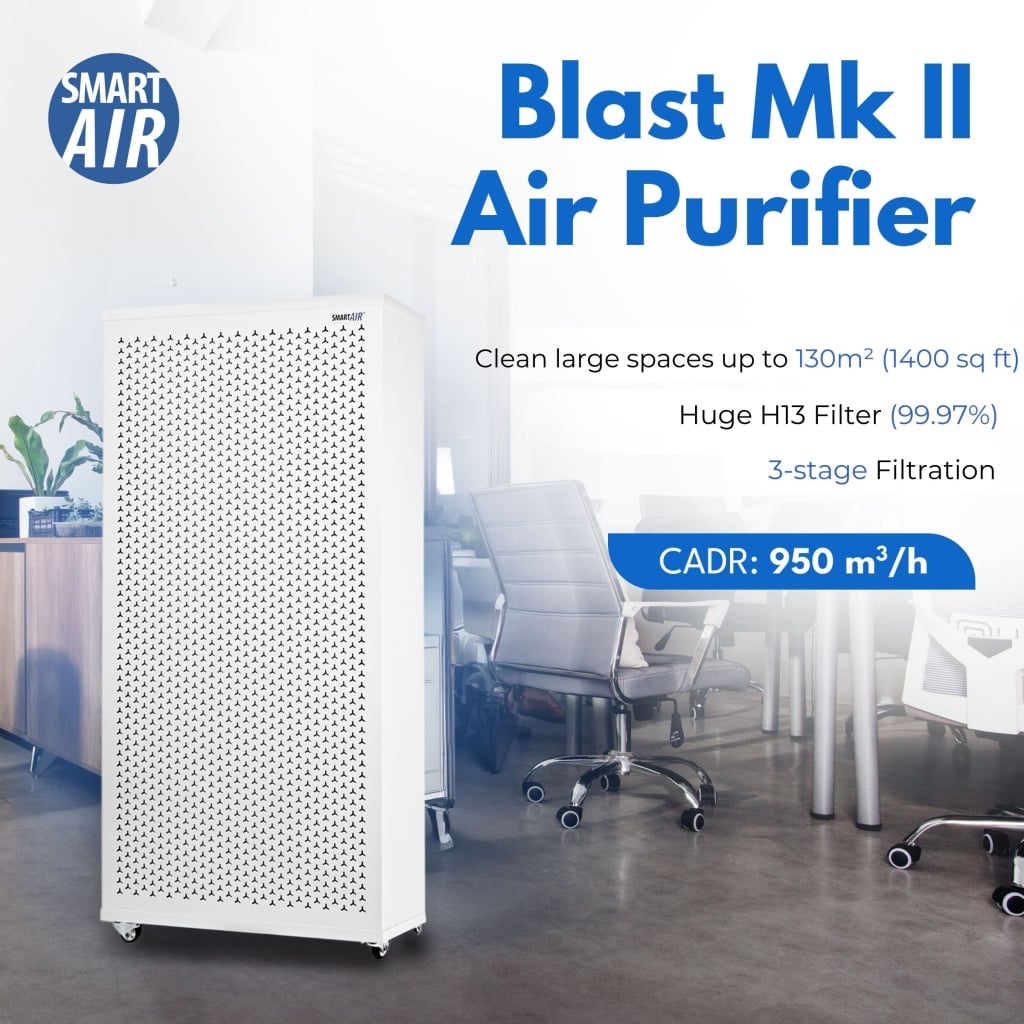
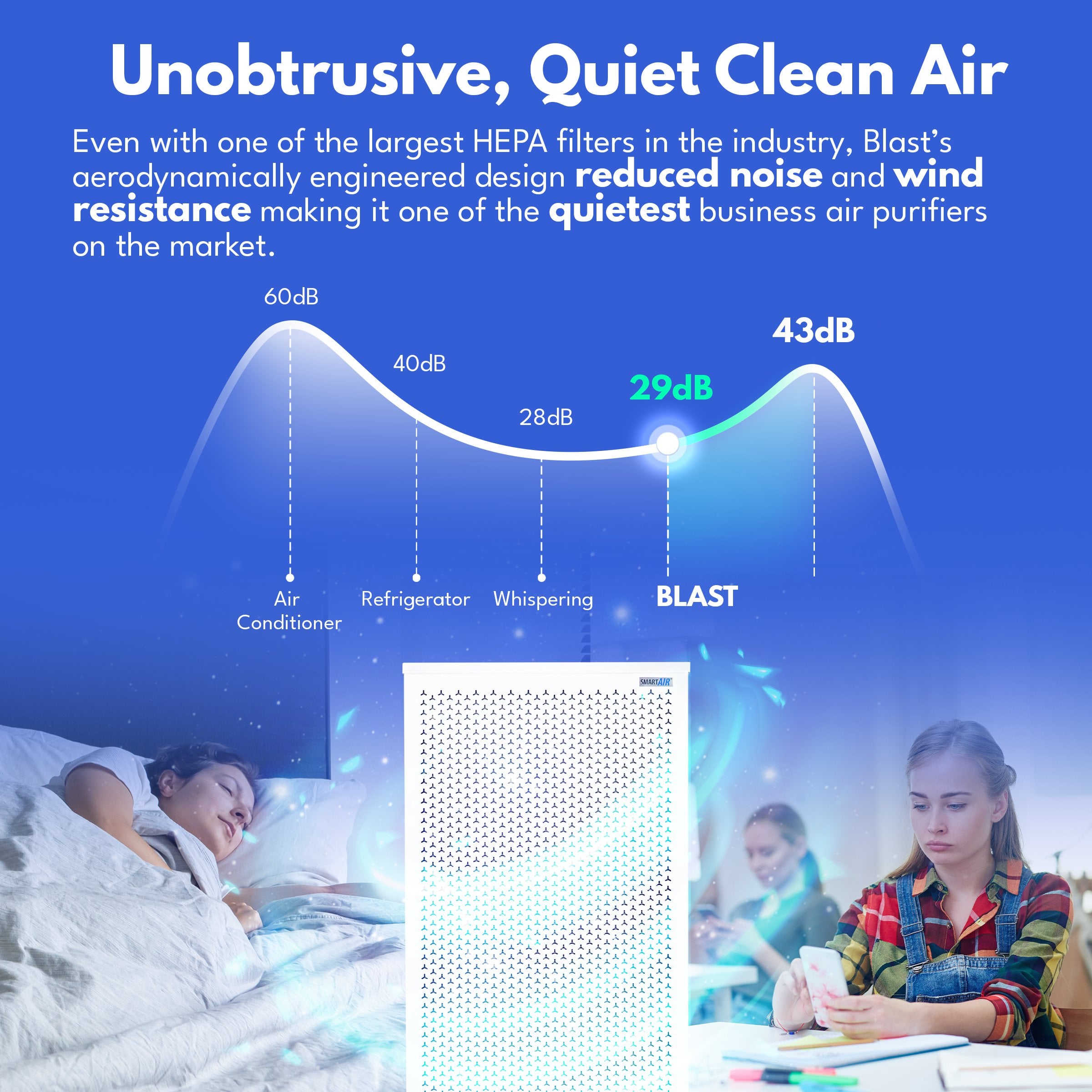
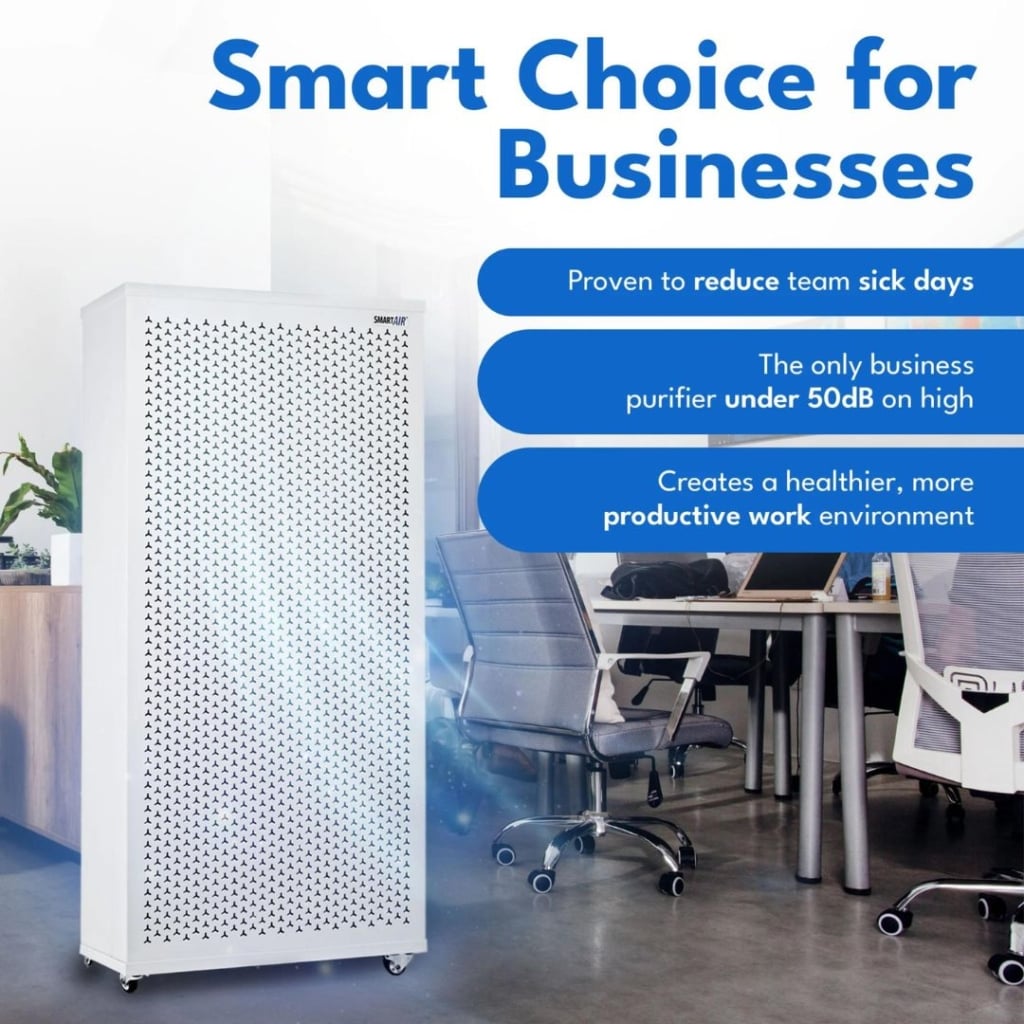
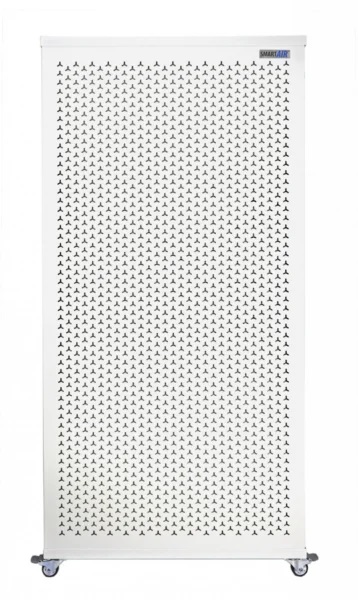
The Blast is a high-powered, quiet HEPA air purifier effective for large rooms in schools, hospitals, offices, and homes. It cleans spaces up to 130m² (1400 ft²). The H13 HEPA filter removes 99.97% of pollutants (PM2.5, viruses, allergens, and more) with an optional carbon filter for VOCs, cigarette smells and odours.
We create with intention. Our products solve real problems with clean design and honest materials.
Quality first
We obsess over the details and strive to deliver the best products at the best prices, every time.
Customer care
We're always on your side: keeping our loyal customers happy is our top priority and number one goal.
Description
Ideal for all large spaces
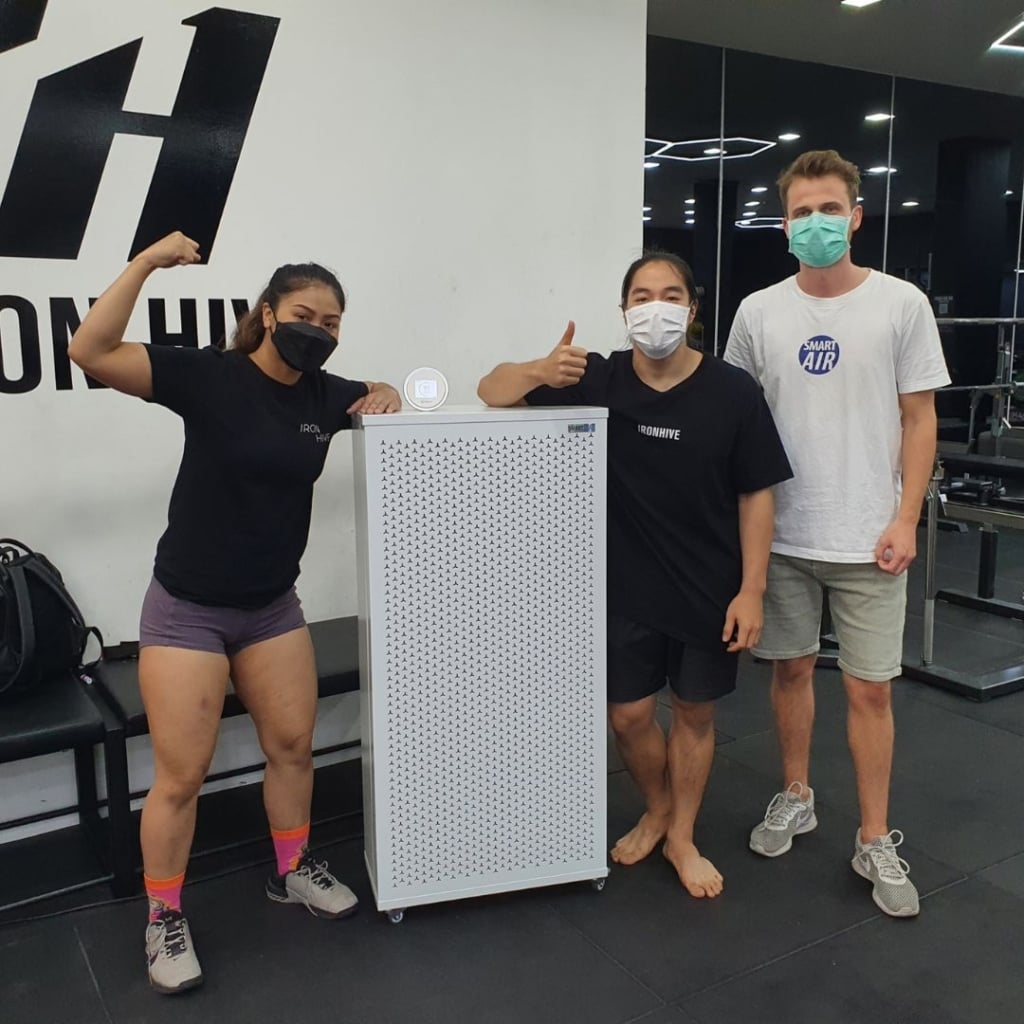
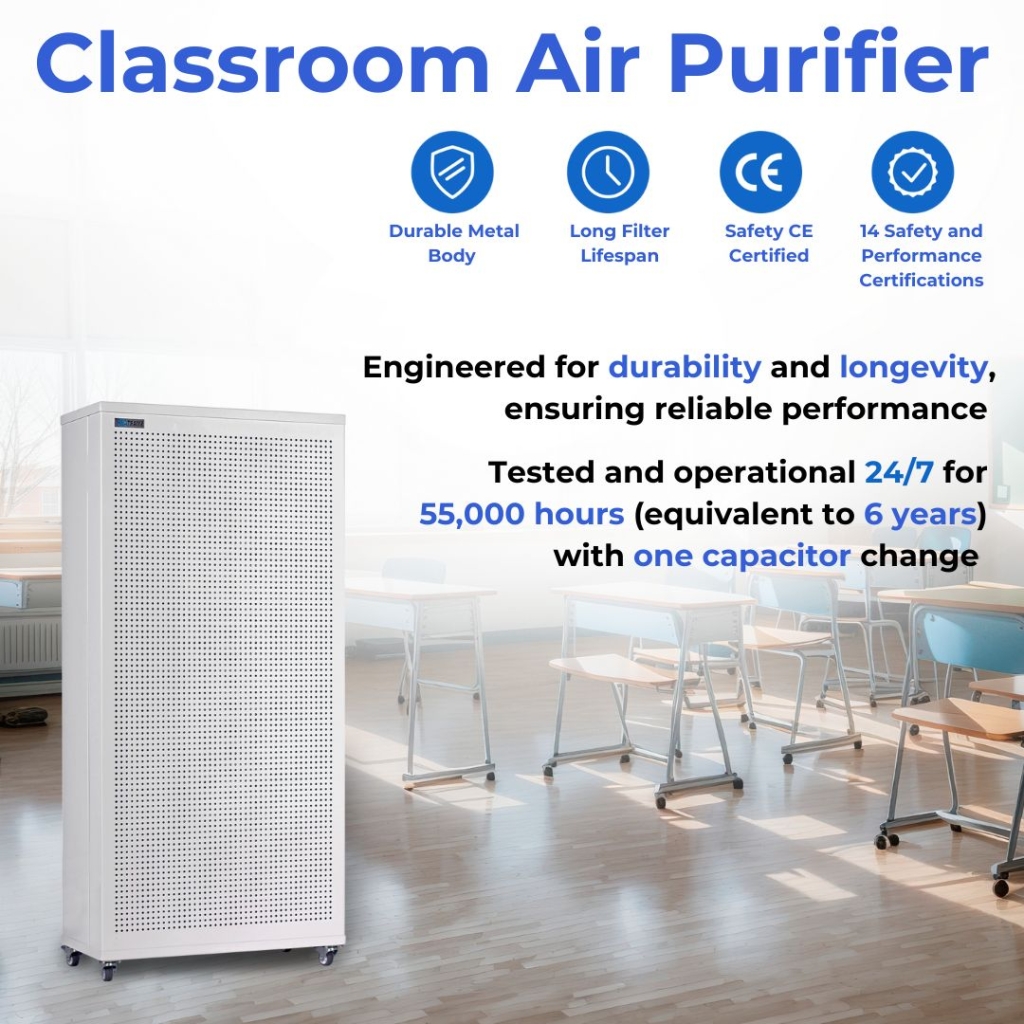
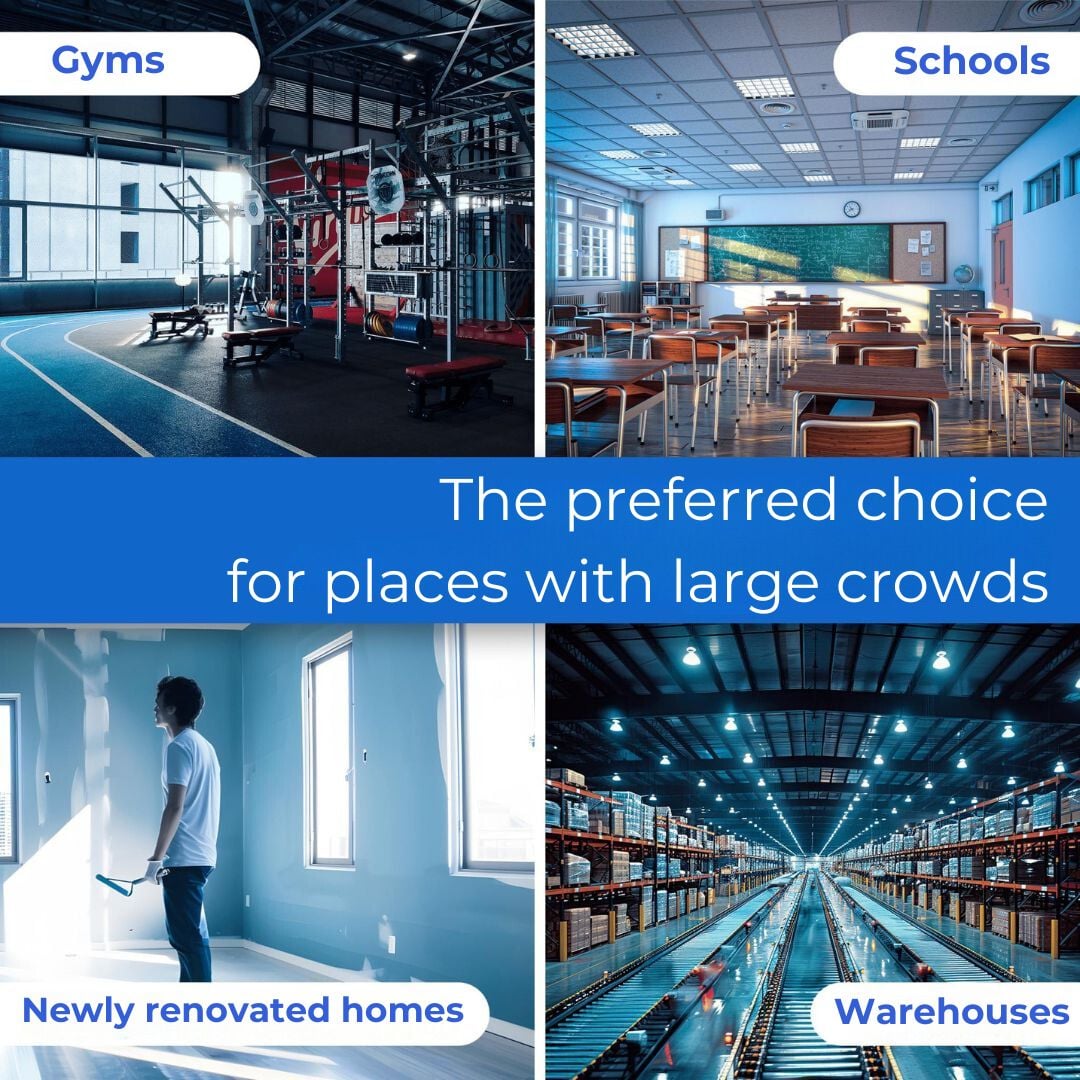
The blast air purifier covers large spaces up to 130m², or 1400 sqft. With that type of muscle, the blast can cover classrooms, hospitals, offices, warehouses, or sports & leisure facilities for the quietest clean air on the block! Use the blast in your:
Reduce your bio-burden with a powerful HEPA H13 air cleaner. Avoid ionisers and UV inside air purifiers as they alter air chemistry.
Why hospitals love the Blast
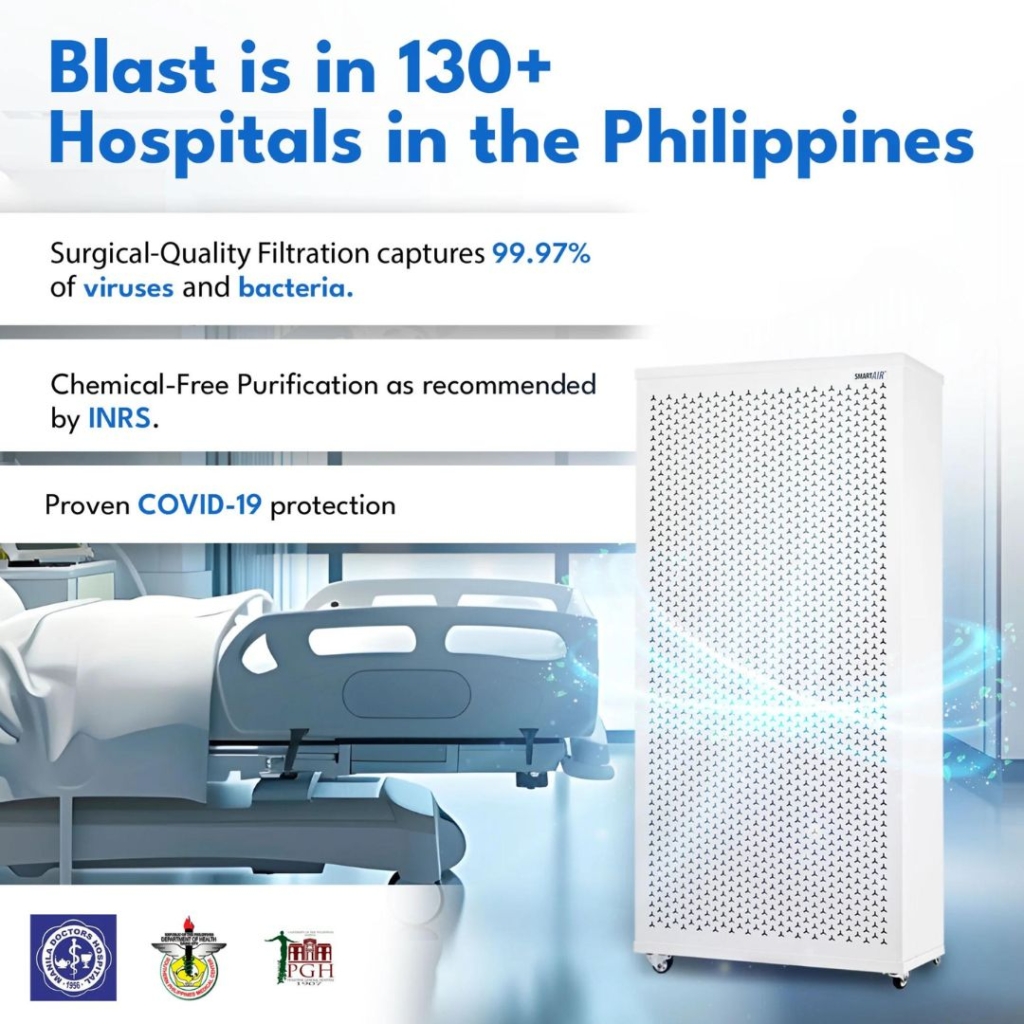
Clean air is especially important for crowded hospitals and medical facilities. The blast's H13 grade HEPA filter traps 99.97% of viruses and bacteria, making it extremely effective for use in health facilities. Hospitals around the world are using Smart Air’s powerful commercial air purifiers to help filter out the virus in their facilities, and the blast is popular in major hospitals around the world.
The UK model is the Blast Mk II, the improved 2022 model
Air outlet redesign
The improved outlet increases CADR and airflow giving you more clean air
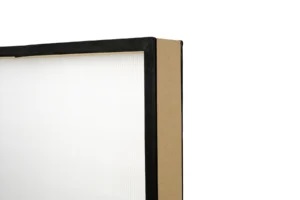
HEPA upgrade
HEPA filter frame is cardboard with no metal mesh. Lighter design, lower shipping costs, increased recyclability
Rear air inlet
The rear inlet has been replaced with a punched out design
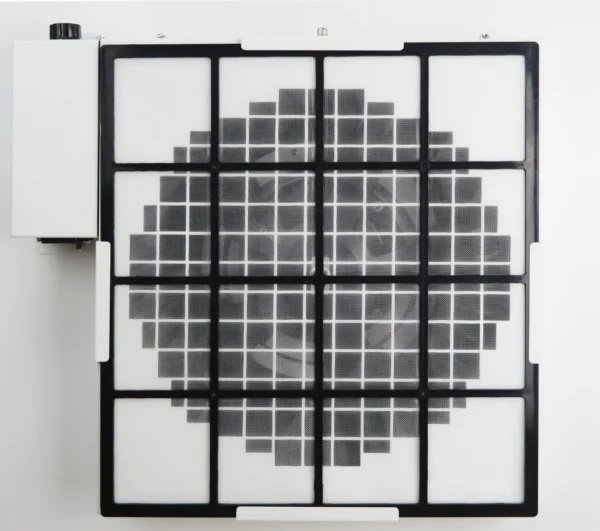
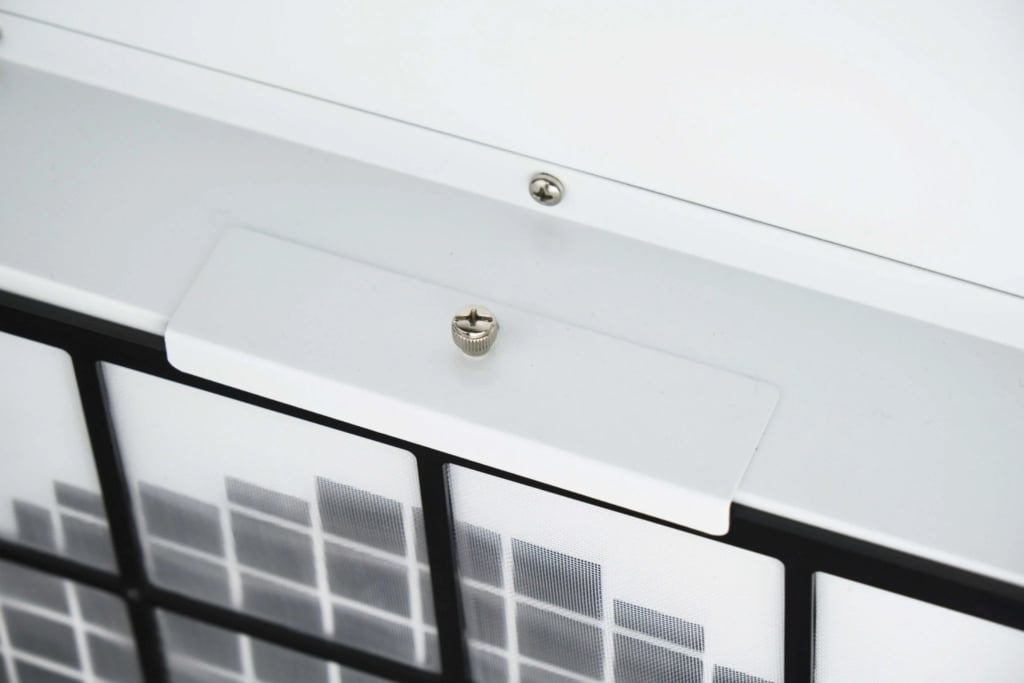
Pre-filter improvements
Removable screws for easy removal of the pre-filter, which is now in a rigid frame for easier cleaning
What's inside a Blast
Purifier companies can make obscene profits when most people don't understand how purifiers work. Here's the honest truth: a purifier is a fan and a filter. In this case, that fan and filter are just really big.
* Tests on the highest setting show that adding a carbon filter reduces airflow by 11%. This means that this purifier with both HEPA and Carbon filters will have an the airflow of 1780m³/h and a CADR to 846m³/h
The Blast and Blast Mini come with placement brackets which help you to understand what the minimum distance it should be from the wall for full, uninterrupted airflow. The full-size Blast filters should be fixed to the wall, but this is optional for the Blast Mini units.
The units have started to become noisier, why?
If your unit has suddenly become noisier, it is likely to be dirty pre-filters. When this is clogged, the fan has to work harder so sounds much louder. If you’re waiting for your unit to be cleaned, keep it on the lowest setting (speed 1) rather than turning it off. This keeps the air circulating and prevents stale air from building up.
Will the air purifier work with doors and windows open?
While air filters are most effective at reducing levels of particulate matter in classrooms when windows are closed, opening windows and ventilating the classroom is vital for removing other pollutants including VOCs (including from cleaning chemicals) and CO2 which can affect cognitive performance. Opening windows for even a short period of time can have significant benefits for indoor air quality.
Are Smart Air purifiers better than other air purifiers?
Smart Air purifiers use the same cleaning principle as most other air purifiers. The technology behind air purifiers is not complex, and readily available.
However, Smart Air is the only air purifier company committed to transparent communication through open-data. We avoid overcomplicating our air purifiers with high markups and marketing gimmicks. Smart Air purifiers are honest, data-backed, and streamlined to do one thing: clean air.
How to know when it is time to replace the Sqair’s HEPA filter?
We recommend replacing the HEPA filter every 18-24 months. But the truth is the exact time depends on many factors such as the amount of hours used and local pollution levels. The most accurate way to determine when to replace a HEPA filter is to use an air quality monitor.